How Hospital Nurse Understaffing Increases the Risk of Medical Errors, Delayed Care, and Patient Harm
Posted inHospital understaffing
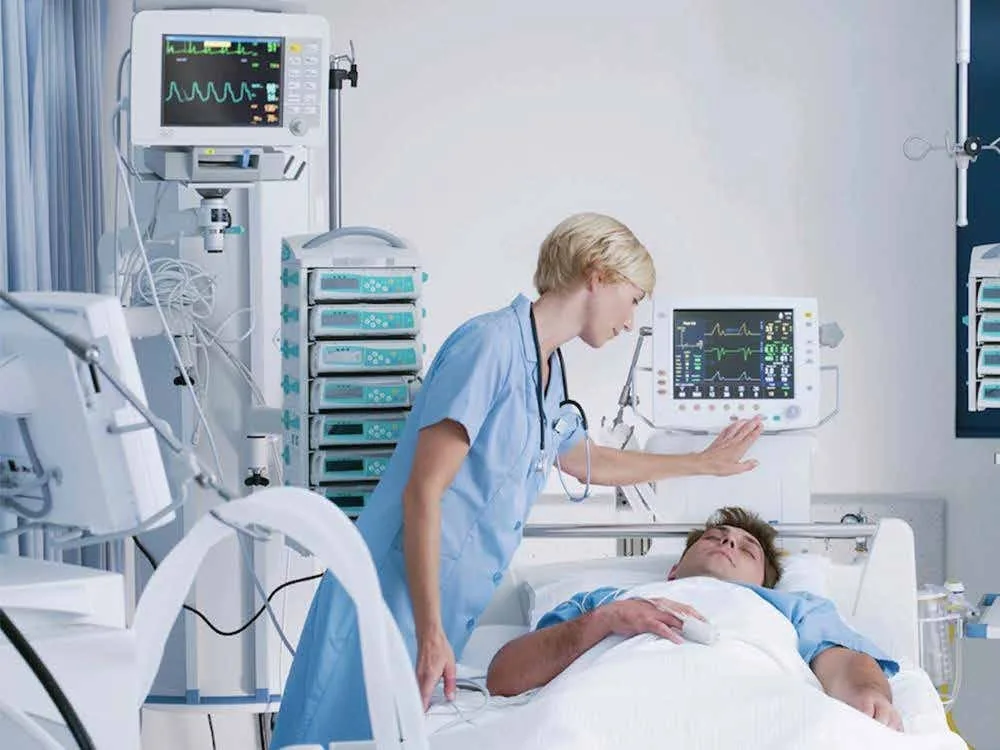
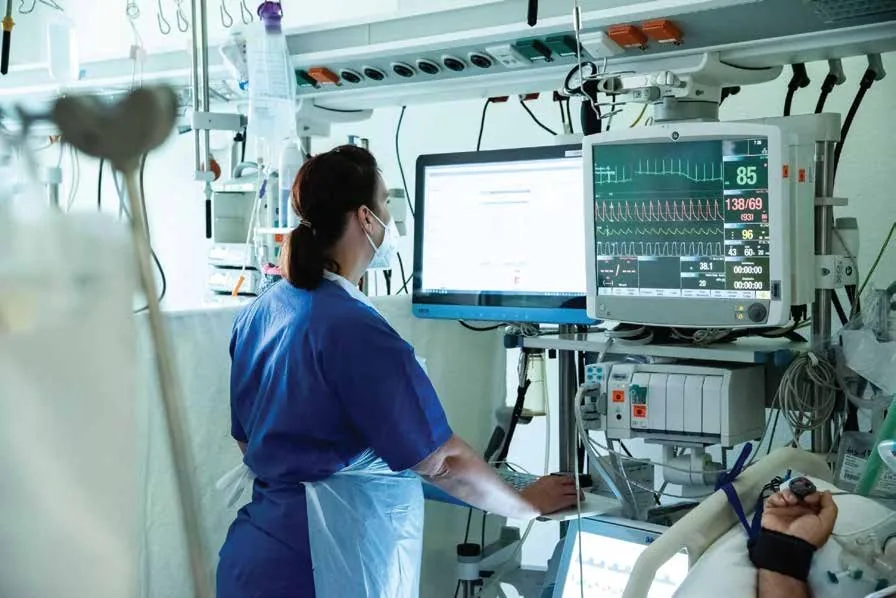
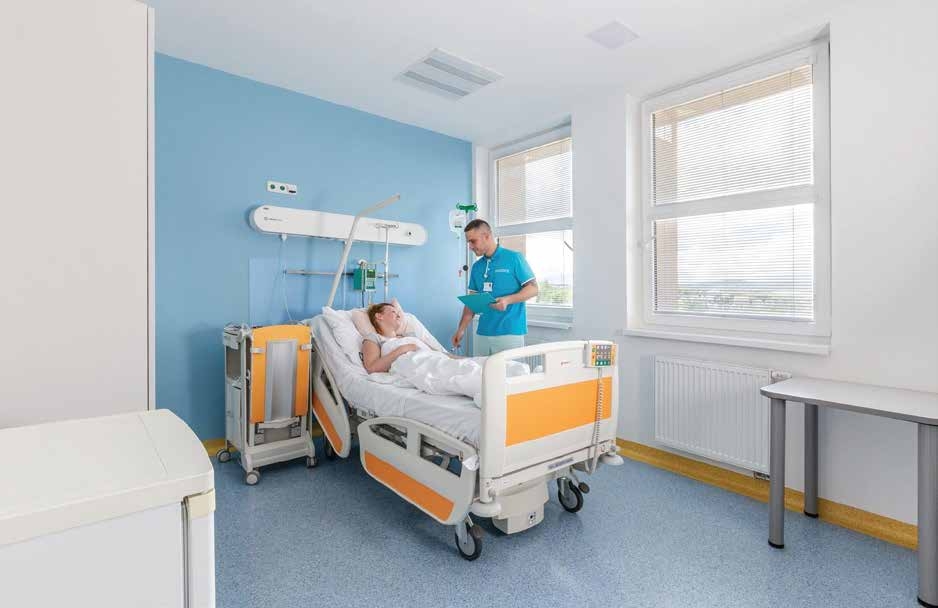
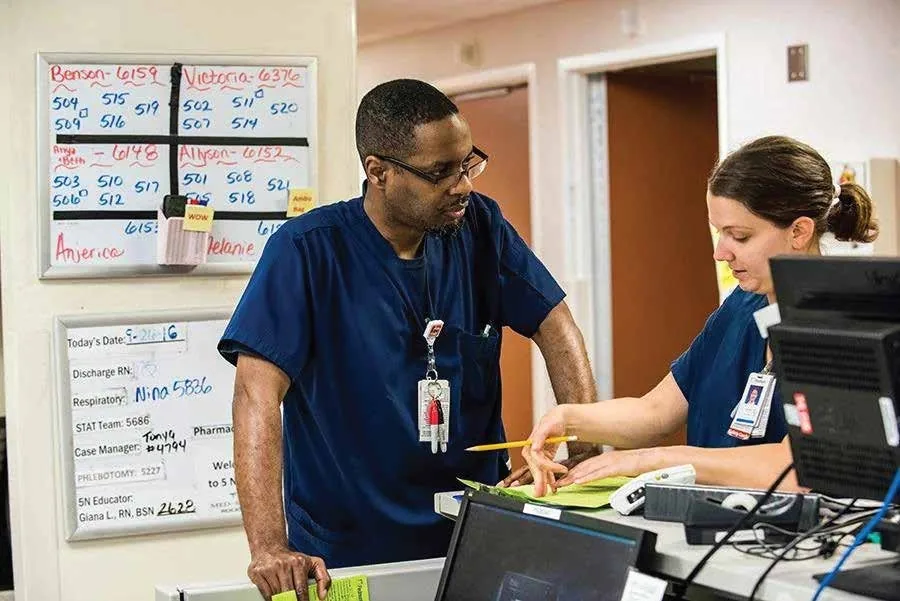
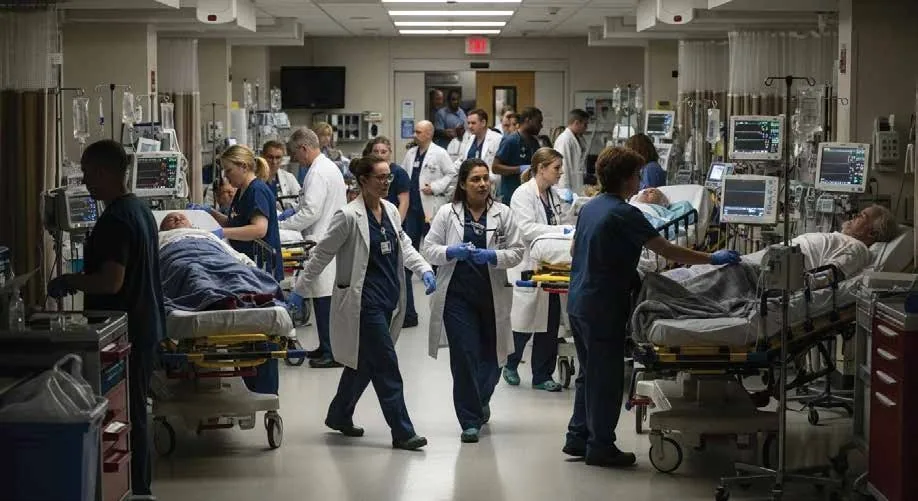
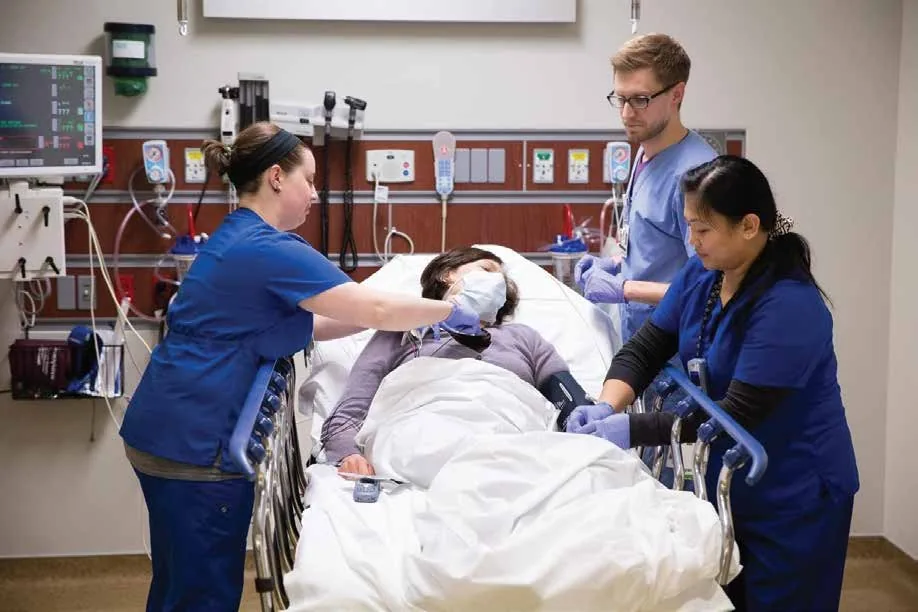
Nurse staffing is widely considered one of the most important factors determining hospital patient safety. Nurses spend the most time monitoring patients, recognizing changes in their condition, administering treatments, and coordinating care
Nurses Detect Deterioration Early
Patients often show subtle warning signs hours before a medical emergency. A nurse may notice: • Changes in mental status • Falling blood pressure • Difficulty breathing • New confusion • Signs of infection • Suicidal behavior or increasing agitation Recognizing these changes promptly allows the healthcare team to intervene before the patient becomes more seriously ill.
Nurses Administer Medications
Hospital nurses are responsible for: • Giving medications • Checking for allergies • Monitoring for side effects • Preventing medication errors • Ensuring medications are given on time When one nurse is caring for too many patients, the risk of delayed or missed medications often becomes a reality.
Continuous or Frequent Observation
Saves Lives
Many patients require frequent or continuous observation, including those who are: • Suicidal • Confused or delirious • At high risk of falling • Recovering from surgery • Receiving potent medications Adequate staffing makes it more feasible to carry out these observation requirements consistently.
Timely Communication Is Critical
Nurses coordinate information among: • Physicians • Specialists • EMS personnel • Therapists • Family members • The next nursing shift Heavy workloads can increase the chance that important information is delayed or omitted during handoffs.
Faster Response To Emergencies
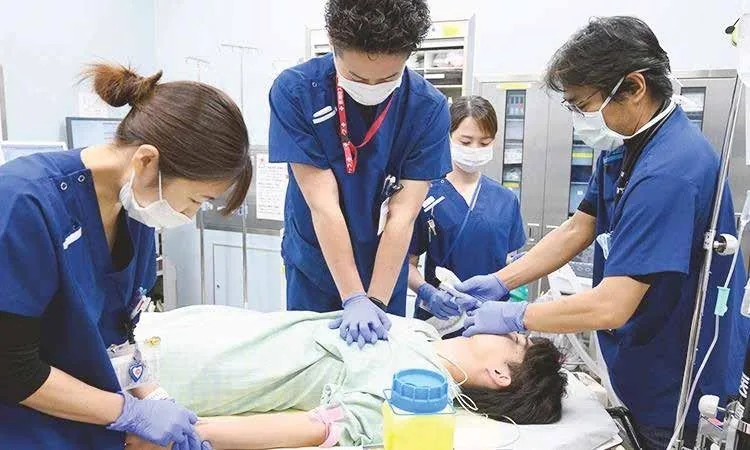
When a patient’s condition suddenly worsens, nurses are usually the first to respond. Adequate staffing means there is a greater chance someone can: • Begin CPR • Call a rapid response team • Control bleeding • Manage an airway • Stay with the patient while help arrives
Fewer Hospital-Acquired Complications
Numerous studies have found that lower nurse staffing levels are associated with higher rates of:
Patient falls
Pressure injuries (bedsores)
Certain hospital-acquired infections
Medication errors
Some preventable complications
Reduced Burnout
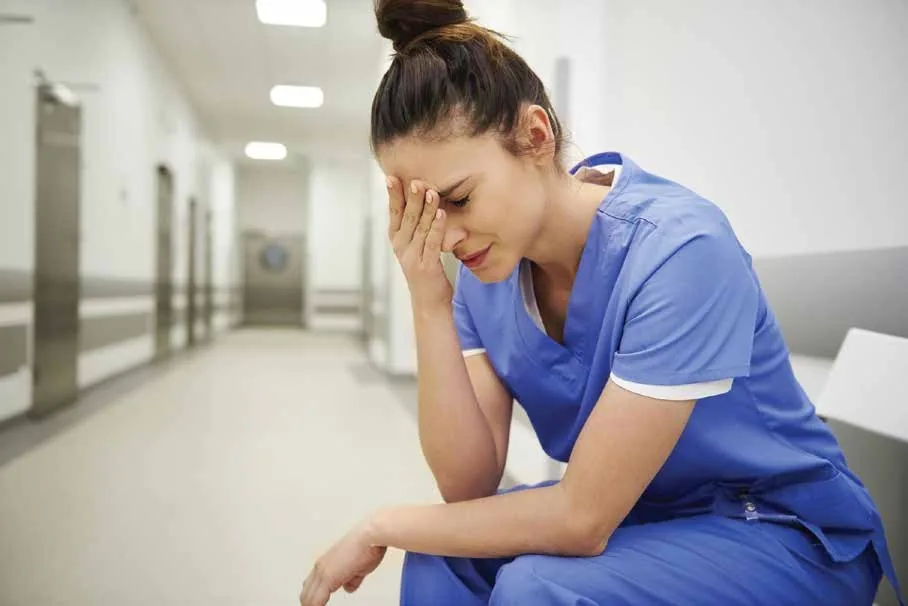
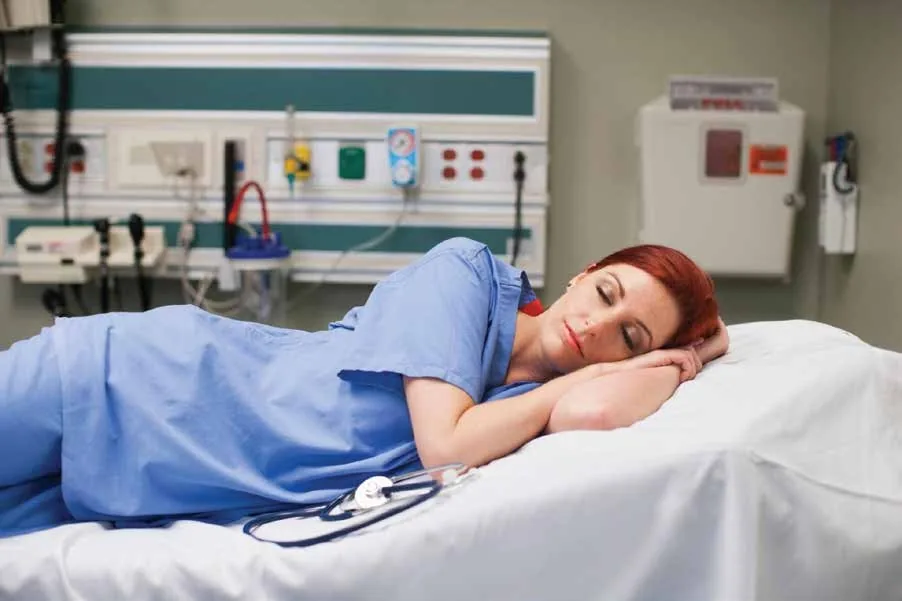
High patient loads contribute to fatigue and burnout, which can impair attention, decision-making, and job satisfaction. Hospitals with chronic staffing shortages may also experience higher turnover, creating a cycle of ongoing staffing challenges.
What Does The Research Show?
A large body of research has consistently found that hospitals with better registered nurse staffing tend to have lower rates of patient falls, pressure injuries, medication errors, certain hospital-acquired infections, and some preventable complications.
Adequate ER Nurse Staffing Is
Especially Critical
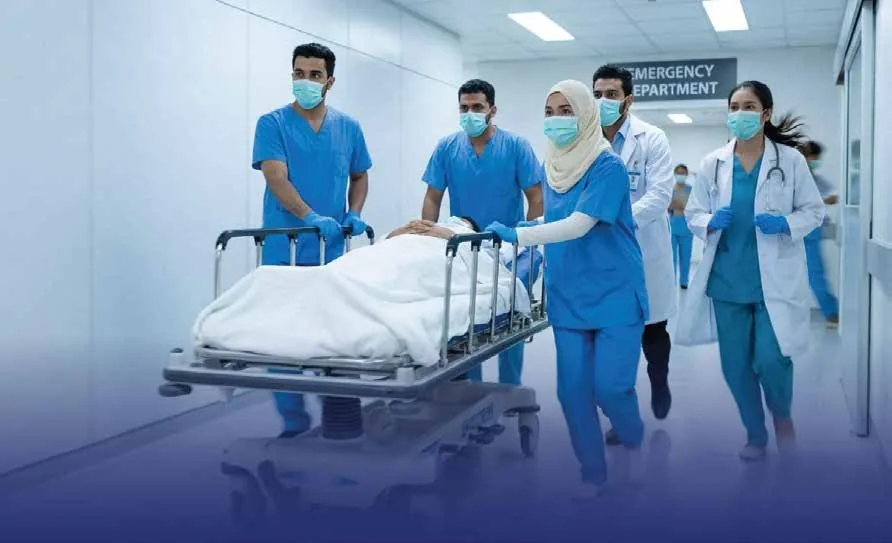
In an emergency department nurses are helping to save lives every day:
• Triage new arrivals. • Monitor patients waiting for evaluation. • Recognize rapidly changing conditions. • Communicate critical EMS information. • Carry out physician orders, including required levels of patient observation.
When staffing is insufficient delays can occur in assessment, documentation, reassessment, and implementation of treatment or monitoring orders.
Glacial Movement Toward
State-Mandated Nurse Staffing
While the healthcare industry has vigorously opposed nurse-to-patient ratio laws, several states have adopted laws requiring hospitals to improve nurse staffing. California is currently the only state with comprehensive minimum nurse-to-patient ratios across most hospital units.
Additional states are considering legislation addressing nurse staffing and nurse-to-patient ratios.
Do Local Hospitals Provide Adequate
Nurse Staffing
An internet search may identify government investigations, inspection reports, news articles, or other public information concerning nurse staffing at local hospitals. Contact your local nurse association or union to see if they have publicly reported understaffing at certain local hospitals.
Reddit & Yelp Posts Are Often Insightful
Patient posts on Reddit and Yelp should not be viewed as conclusive evidence of understaffing. However, when numerous posts over an extended period consistently describe long delays, overwhelmed nurses, patients left unattended, or insufficient observation, those recurring patterns provide meaningful insight into conditions within a hospital.
Summary
Adequate nurse staffing is critical because nurses provide surveillance that keeps hospitalized patients safe. Physicians typically evaluate patients periodically, but nurses are present throughout the day and night. Adequate staffing helps ensure that changes in a patient’s condition are quickly recognized, treatments are delivered on time, and safety measures are carried out consistently.







No comments yet. Be the first to comment!